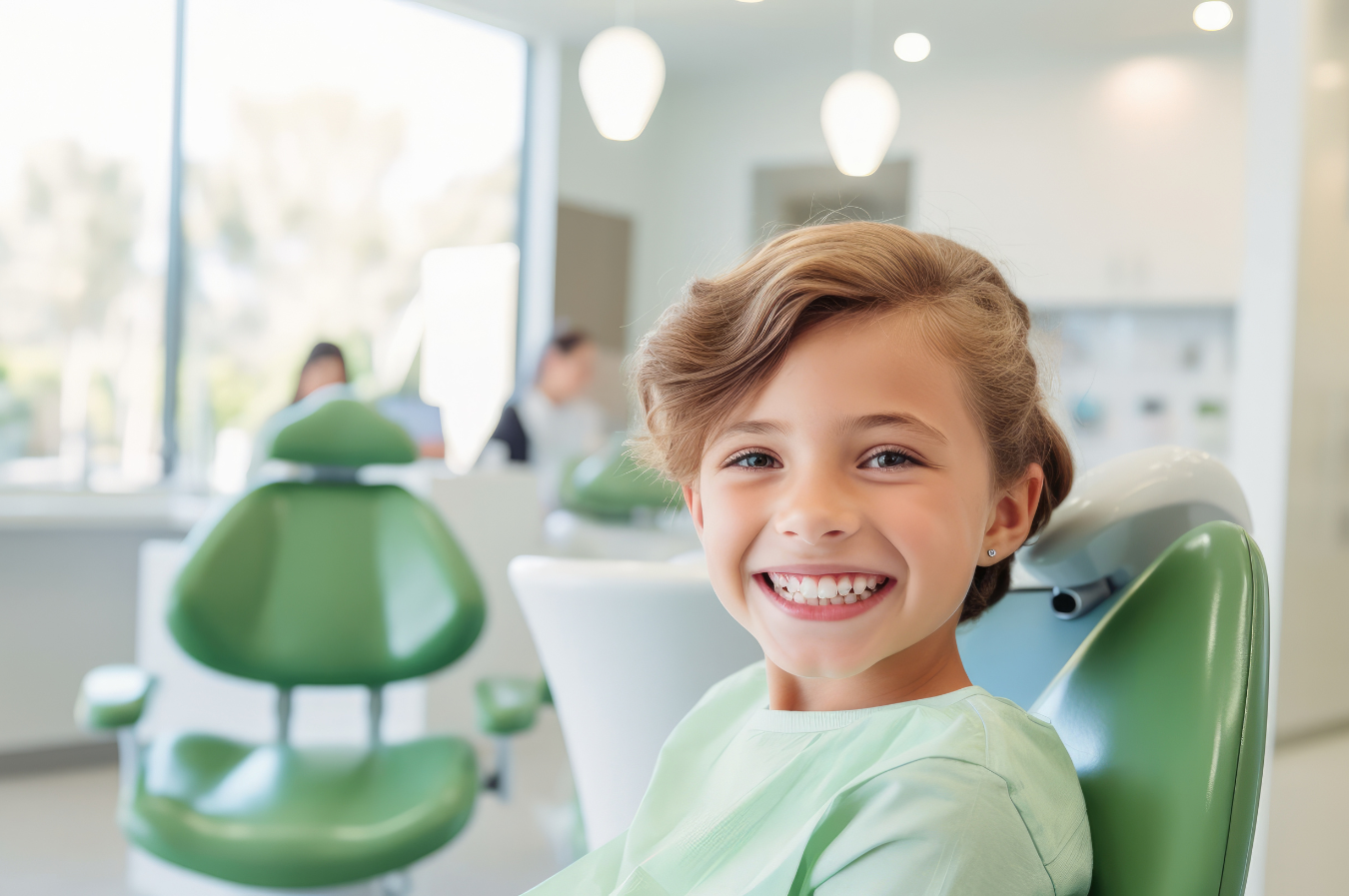
Parents want the best for their children—including healthy, confident smiles. While it’s easy to assume orthodontic treatment is only for teenagers, many children benefit from seeing an orthodontist much earlier. Braces for kids are more common than you might think, and in some cases, early treatment can prevent bigger problems later on.
This guide will help you recognize the signs your child might need braces, understand what to expect during treatment, and learn how orthodontic care supports long-term health.
When Should Kids See an Orthodontist?
The American Association of Orthodontists (AAO) recommends that children have their first orthodontic evaluation by age 7. By this age, children usually have a mix of baby and permanent teeth, allowing orthodontists to identify potential alignment or bite issues early.
This doesn’t always mean braces will be recommended right away. Sometimes, the orthodontist simply monitors your child’s growth until the right time for treatment. But in other cases, early intervention—known as interceptive orthodontics—can guide jaw development, create room for incoming teeth, and correct harmful habits.
Signs Your Child May Need Braces
Every child’s smile is unique, but some common signs can indicate the need for braces:
- Early or late loss of baby teeth
- Crowded, crooked, or overlapping teeth
- Large gaps between teeth
- Prolonged thumb sucking or pacifier use
- Difficulty biting or chewing
- Speech challenges linked to tooth or jaw alignment
- Mouth breathing or jaw shifting when closing the mouth
- Overbite, underbite, crossbite, or open bite
Even if these signs aren’t obvious, an orthodontist can detect hidden concerns during an exam.
Common Orthodontic Issues in Kids
Orthodontists treat a variety of dental and jaw issues in children. Some of the most common include:
- Crowding — Not enough room for permanent teeth to come in properly.
- Spacing — Extra gaps between teeth, often from missing or undersized teeth.
- Overbite — Upper front teeth extend too far over the lower teeth.
- Underbite — Lower teeth sit in front of the upper teeth.
- Crossbite — Upper teeth fit inside the lower teeth when biting down.
- Open bite — Front teeth don’t touch when the back teeth are closed.
If left untreated, these problems can affect chewing, speech, jaw health, and overall oral hygiene.
What Types of Braces Are Available for Kids?
Modern orthodontics gives kids (and parents) more options than ever before:
- Traditional metal braces — The most common choice for kids. They’re strong, reliable, and effective for correcting a wide range of issues. Many kids enjoy choosing colorful bands to personalize their braces.
- Clear ceramic braces — Tooth-colored braces that blend in with natural teeth. These are less noticeable but may require extra care to prevent staining.
- Invisalign for Kids — Clear, removable aligners are available for certain younger patients. These work best for mild to moderate cases and require a high level of responsibility to wear consistently.
An orthodontist will recommend the option best suited to your child’s needs, lifestyle, and personality.
What to Expect When Your Child Gets Braces
The process of getting braces is straightforward and usually painless:
- Consultation — The orthodontist examines your child’s teeth, takes X-rays or scans, and creates a treatment plan.
- Placement — Brackets are bonded to the teeth, and wires are attached. This appointment usually takes 1–2 hours.
- Adjustments — Every 6–8 weeks, the orthodontist will tighten wires or change elastics to keep treatment moving.
- Completion — Once teeth are aligned, braces are removed, and your child will transition to a retainer.
Treatment times vary but generally last 12–24 months, depending on the complexity of the case.
Life with Braces for Kids
Adjusting to braces can be an adventure for kids, but most adapt quickly. Here’s what you and your child can expect:
- Mild soreness — Teeth may feel tender for a few days after placement or adjustments. Soft foods and over-the-counter pain relief can help.
- Diet changes — Kids should avoid sticky, chewy, or hard foods like gum, popcorn, and ice.
- Oral hygiene — Brushing and flossing are more important than ever. Special brushes and flossing tools can make cleaning easier.
- Sports and activities — Kids can continue playing sports, but mouthguards are recommended for protection.
- Excitement and fun — Many kids look forward to picking out new band colors at each visit.
Benefits of Early Orthodontic Treatment
Early orthodontic care offers several benefits for children:
- Prevents more serious problems — Early treatment can reduce the need for extractions or surgery later.
- Supports proper jaw growth — Ensures the jaws develop in balance.
- Improves oral health — Straight teeth are easier to clean, reducing the risk of cavities and gum disease.
- Boosts confidence — A healthy smile can improve self-esteem at an important stage of development.
- Saves time and money — Treating problems early can shorten or simplify future orthodontic care.
How Parents Can Support Kids with Braces
Your encouragement and involvement play an important role in your child’s success with braces. Here’s how to help:
- Encourage good habits — Remind kids to brush and floss after meals.
- Monitor food choices — Keep braces-friendly snacks on hand.
- Celebrate milestones — Mark progress along the way to keep motivation high.
- Stay positive — Kids take cues from their parents, so maintaining a positive attitude makes treatment easier.
The Bottom Line for Parents
Braces for kids are about more than straight teeth—they’re about creating a healthy, functional smile that lasts a lifetime. Recognizing the signs early and knowing what to expect can help you feel confident about starting your child’s orthodontic journey.
Ready to Explore Braces for Your Child?
If you think your child might benefit from braces, Potts Orthodontics is here to guide the process. With offices in Clinton and Goldsboro, NC, Dr. Christopher C. Potts and his team provide compassionate, expert orthodontic care for children.
We offer free consultations to help parents understand their child’s needs and explore treatment options without pressure. Contact us today to schedule your appointment and set your child on the path to a lifetime of healthy smiles.